
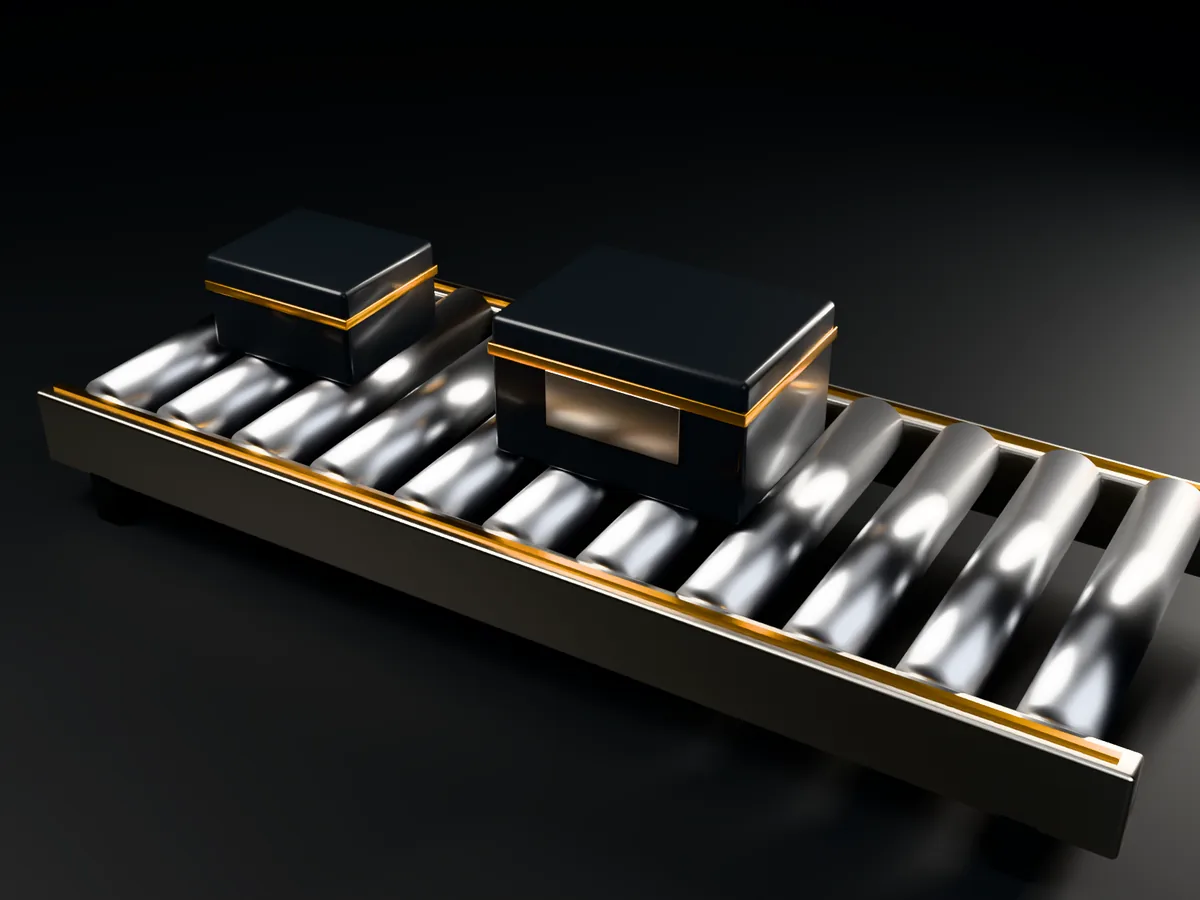
What this is
An area of development, not a product line.
We are developing our work in fulfillment automation: the machines, controls and software that move goods through a warehouse or a stock room, from the shelf to the shipping label. It builds on the same engineering as our IoT and drone design work: sensors, embedded control, and software that knows what the equipment is doing.
We would like to hear from businesses whose fulfillment work is ready for automation, and from people working on the same problems.
Where automation helps
Repetitive, measurable, frequent.
Automation pays off where the same work happens many times a day and its result can be checked. In fulfillment, that means:
How we approach it
Start with the work, not the robot.
We start by mapping what happens to an order today, step by step, and look for the steps where a machine can do the work reliably and a person’s time is better spent elsewhere.
Every automated step has to fail safely and hand back to a person cleanly. A fulfillment line that stops is worse than one that is slow, so we design for the hand-back from the start.
- 1Map the work. Each step an order goes through, and how often it happens.
- 2Choose the steps. Automate where the work is repetitive and its result can be checked.
- 3Design the hand-back. Every machine step can stop safely and return the work to a person.
What we build
Other areas of work
Software
A gemology platform that covers the whole job: assessment, valuation, estimates, workflow and a mobile lab. It runs in your own cloud account, so your data and client records stay with you.
Software
Platforms that take routine work off skilled people, so their time goes to the decisions that need them.
Robotics and engineering
Concept and engineering work on unmanned aircraft: airframes, propulsion and materials.
Robotics and engineering
Embedded controllers and connected devices that bring physical equipment into software.